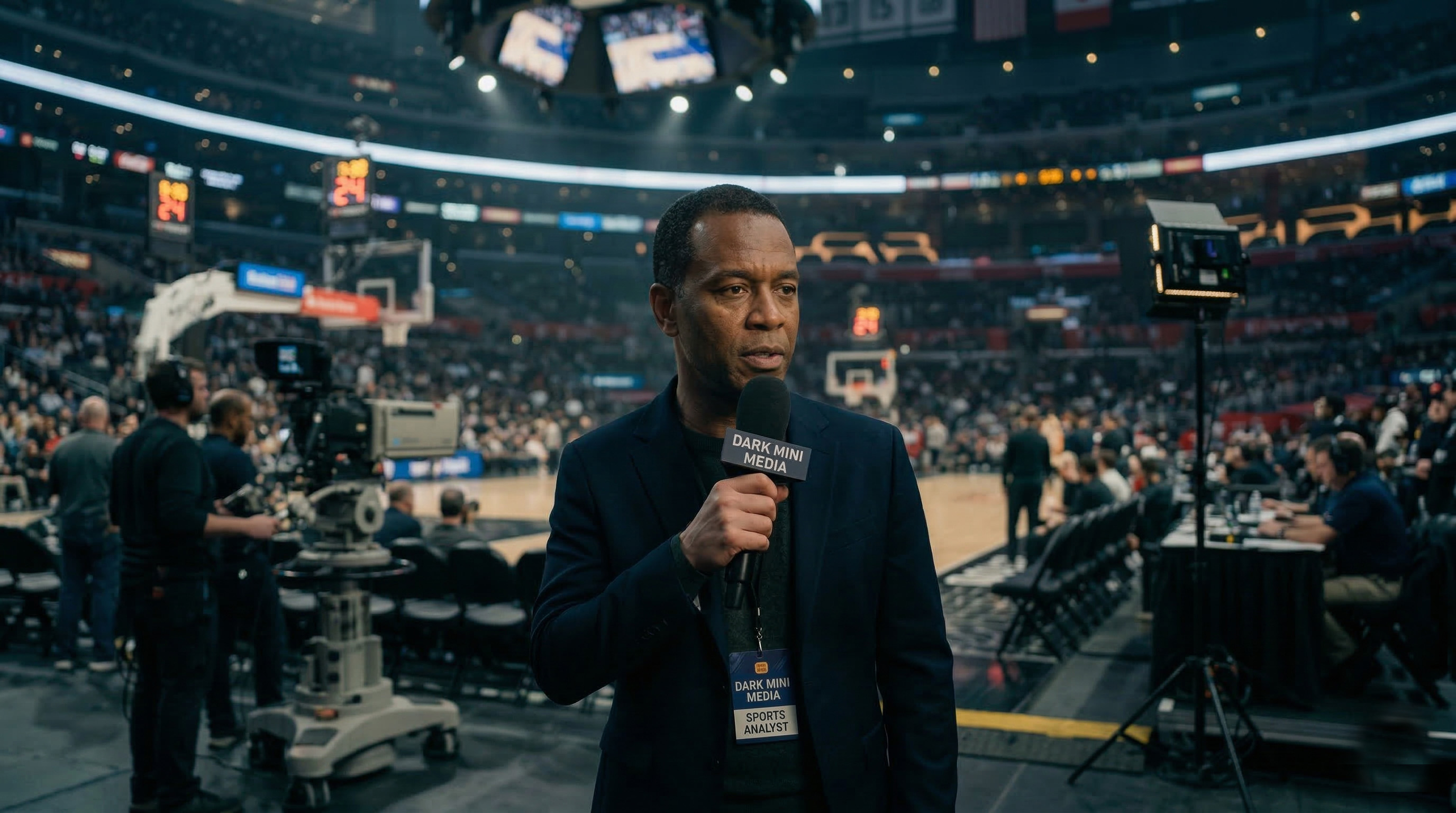
In 2026, the sports media world has hit a breaking point. Fans are no longer satisfied with surface-level headlines, recycled debate clips, and generic commentary that says a lot without actually explaining anything. What they want now is depth. They want context. They want someone who understands the culture, the roster, the strategy, and the emotional temperature of the fanbase they belong to.
That is exactly why independent sports media is gaining power.
The old model was built around access, speed, and scale. Big networks controlled the conversation because they controlled distribution. But the modern fan is no longer trapped inside that system. Fans can choose where they get information, and more importantly, they can feel the difference between empty noise and real insight almost immediately.
That shift has created a new lane for brands that know how to go deeper. Independent outlets do not win by being the loudest. They win by being more trusted, more specific, and more connected to the audience. That is where the deep dive beats the soundbite.
Breaking the 24-Hour Cycle
The traditional 24-hour sports news cycle has become a liability.
In the rush to be first, legacy outlets often sacrifice the most important part of the story: the why. Fans get the score, the quote, the graphic, and the reaction — but they rarely get the underlying mechanics that explain what the moment actually means.
Independent media has stepped into that gap. Instead of chasing the same shallow rhythm as every other outlet, smaller brands can focus on the details that truly matter. Scholarship math. Player development. staff changes. recruiting fit. scheme impact. emotional context. Those are the layers that mainstream coverage often leaves behind.
This is one reason the modern fan keeps gravitating toward specialized platforms. The audience is not just asking what happened anymore. The audience is asking why it happened, what it changes, and what it means next.
Why Niche Authority Beats Broad Reach
One of the biggest myths in media is that broader reach automatically means stronger influence.
It does not.
In reality, niche authority is becoming more valuable than broad, shallow attention. A highly focused audience that deeply trusts a brand is often worth more than a larger audience that clicks once and disappears.
That is especially true in sports. Fans care about their team, their culture, and their ecosystem. They do not want a national host dropping in with a summary built for everyone. They want someone who knows the roster, knows the recruiting trail, knows the emotional stakes, and knows why one quote in March can shift the whole mood of the offseason.
That is exactly why a connected site structure matters. When fans can move from sports coverage to player breakdowns to recruiting analysis, the brand starts to feel like a real media hub instead of just a pile of isolated articles.
The "Prime Time" Effect
The rise of cultural gravity around certain programs has accelerated this shift even more.
A program like Colorado does not just create football news. It creates a full ecosystem of emotion, debate, recruiting drama, player development, staff movement, and national reaction. That type of environment demands a different kind of coverage.
Fans do not want an outsider dropping in once a week with detached observations. They want media that feels like part of the community itself. That means the coverage has to feel close to the action, close to the emotion, and close to the identity of the fanbase.
This is where independent media becomes incredibly powerful. It can live inside the culture instead of floating above it. That does not mean losing professionalism. It means combining structure with real connection. It means writing like a publication while still understanding the pulse of the people reading it.
Recruiting Coverage Has Changed Forever
Recruiting is one of the clearest places where independent media has taken ground.
The old model treated recruiting like a ranking board and a commitment tracker. But in 2026, that is not enough. Fans want more than stars. They want fit. They want personality. They want to know how a player’s skill set aligns with a scheme, how development might shape the player’s future, and what the commitment means for the rest of the roster.
That is where deep coverage on pages like Recruiting becomes much more valuable than a generic update feed. It turns a recruiting story from a single event into a multi-layered analysis.
It also gives fans a reason to stay. The more insight they get, the more invested they become in the process itself.
Technology Helps — But Trust Wins
Technology has absolutely changed the game. We already broke that down in AI and Real-Time Analytics in 2026. AI, analytics, and faster workflows allow smaller outlets to produce sharper coverage than ever before.
But none of that matters without trust.
Fans can tell when an outlet is using technology to sharpen real insight and when it is just dressing up weak content with bigger words. The independent brands that win are not just faster. They are more trusted because they feel real.
That trust comes from consistency. It comes from voice. It comes from being rooted in the same culture as the audience. And once a brand builds that, the relationship becomes stronger than a single article or video.
Community Is the Real Engine
Ultimately, the future of independent sports media belongs to the brands that understand community.
Coverage is not just about information anymore. It is about belonging. The strongest outlets make fans feel like they are part of something bigger than the article itself. That is why community-focused editorial works so well. It creates a bond between the platform and the audience that broad corporate coverage struggles to replicate.
That same principle is why related experiences matter too. A connected media ecosystem can include articles, player pages, recruiting updates, videos, and even interactive things like the Arcade. Each piece strengthens the feeling that the fan is inside the world, not standing outside it.
The more connected the ecosystem becomes, the harder it is for fans to leave it. That is not manipulation. That is value. It means the brand is offering enough depth, identity, and consistency that people want to stay.
Final Word
Independent sports media is not growing because it is trendy. It is growing because the audience evolved and the old model did not keep up.
Fans want depth. Fans want connection. Fans want insight that respects how much they already know and how much more they want to understand.
The deep dive wins because it treats the audience like they matter.
And in 2026, that may be the most valuable thing a sports media brand can offer.
The future does not belong to the loudest outlet. It belongs to the one fans trust enough to keep coming back to.